Rail terminals
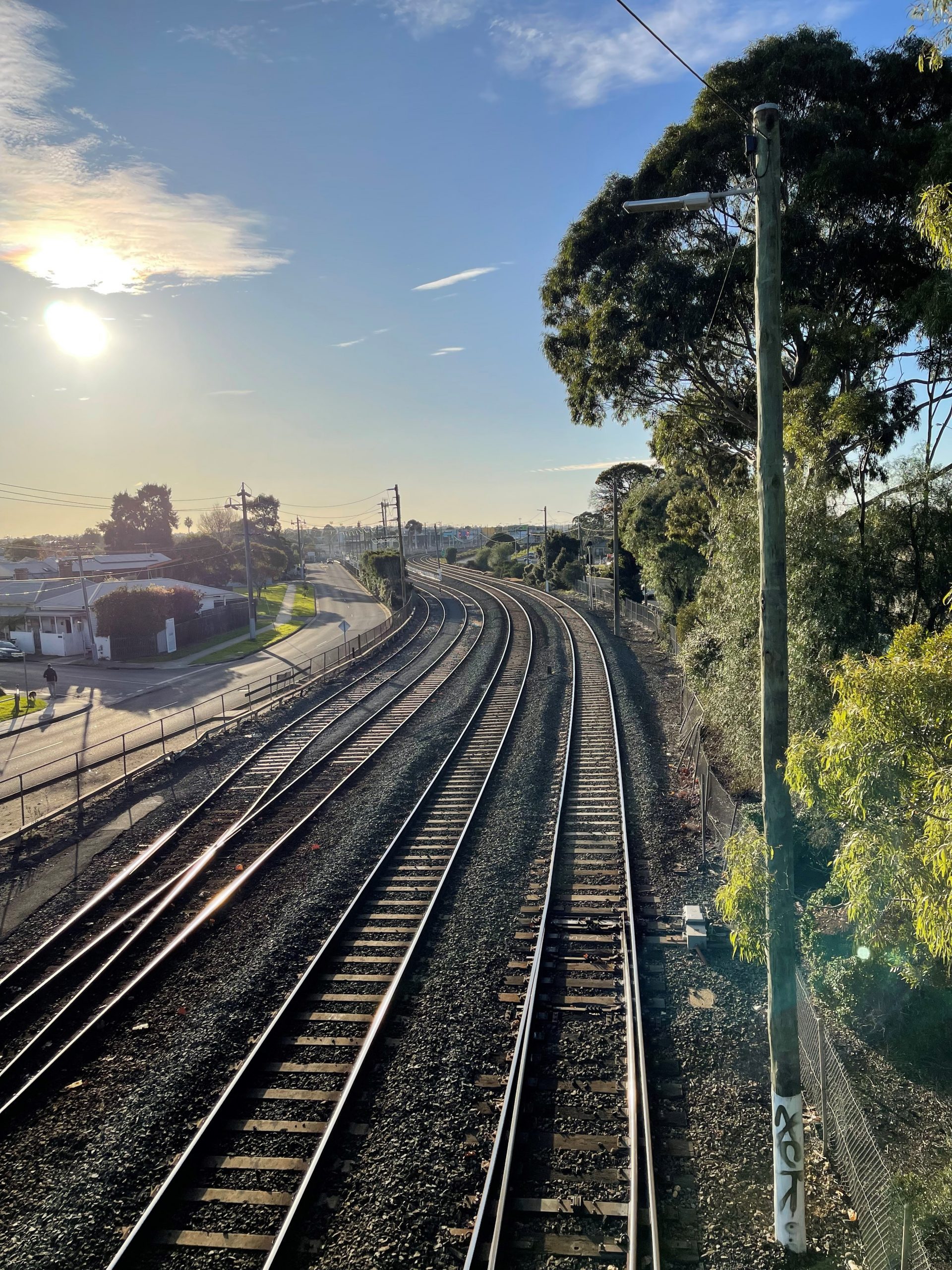
Rail terminals, while not quite as space extensive as airports and ports, are less prone to site constraints. This involves two major issues:
- Location. An important distinction concerns passengers and freight rail terminals, which commonly involve very different locations. Many rail terminals were established in the 19th century during the heyday of rail development. While sites may have been on the edge of urban areas at the time, decades of urban development, including residential and industrial areas, have surrounded older rail terminals, leaving limited expansion opportunities. Passenger terminals tend to occupy central locations and are commonly the defining element of urban centrality. Freight terminals have seen a growing separation from central locations, with new facilities often built in an exurban location, particularly for high-speed train stations.
- Setting. Because of the linear characteristic of the mode they serve, rail terminals are dominantly rectangular-shaped facilities. Their capacity is a function of the number of track spurs available, which is a characteristic difficult to change once the terminal has been built. Individually rail terminals may not be as extensive as airports or ports. Still, cumulatively the area occupied by all the rail sites in a metropolitan area may exceed those of the other modes. For example, in Chicago, the combined area of rail freight yards exceeds that of the airports.
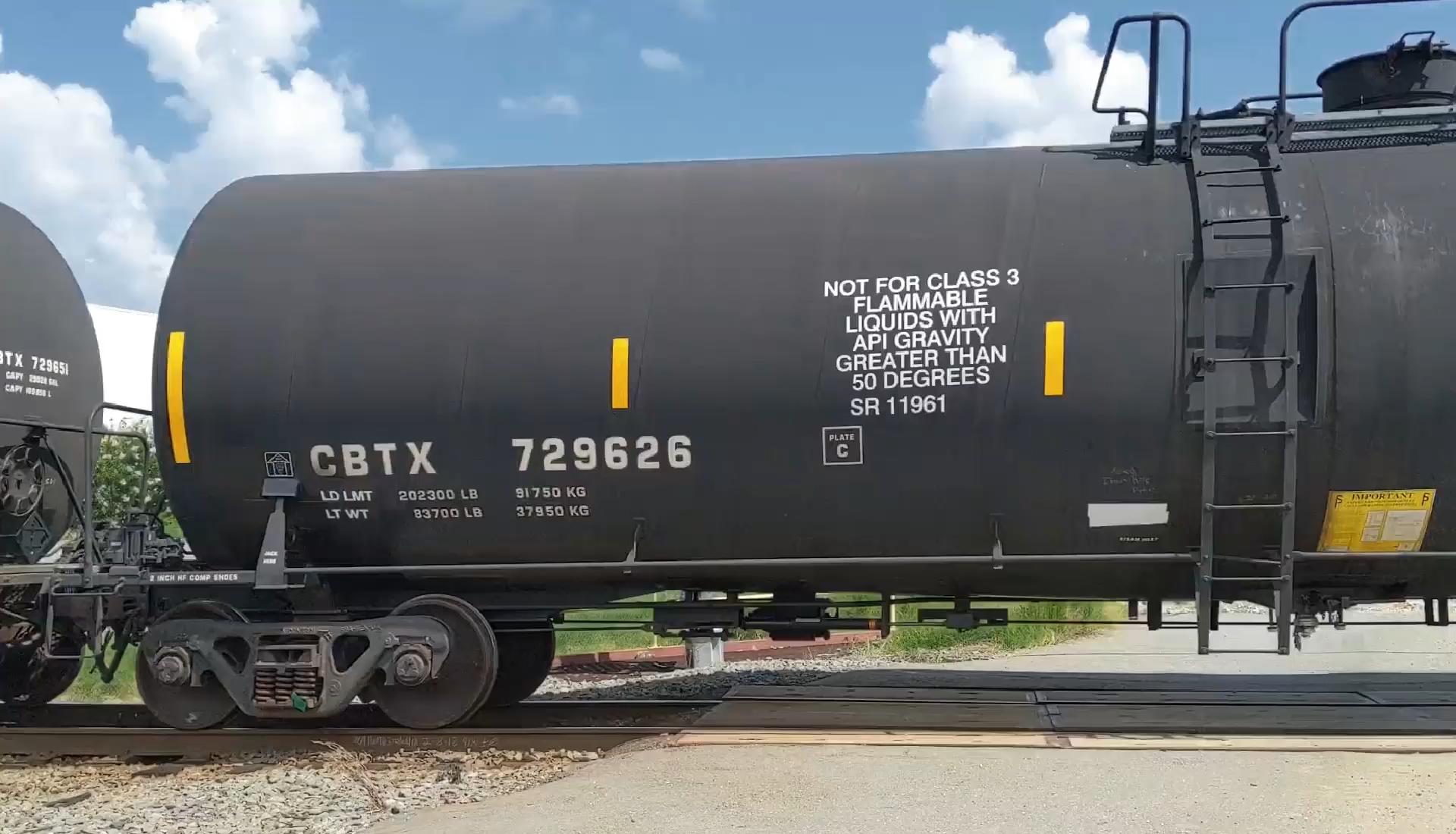
Rail terminals have a unique characteristic related to shunting (or switching), which requires separate yard facilities often adjacent to the terminal and, at times, independent facilities. The wagons composing a train often need to be assembled or broken down in classification yards. This is particularly the case for freight trains that need to be assembled at their origin, switched at intermediary locations (if long-distance hauling is concerned), and broken down at their destination. This is less of an issue for passenger rail, where shunting yards are needed to store, maintain, and assemble passenger rail cars. Shunting remains fundamental to rail operations.
Rail terminals were initially developed to complement the shortcomings of other modes, particularly to service gaps in fluvial (canal) and maritime transportation. As rail passenger traffic declined in the second half of the 20th century, the need for many rail stations diminished, particularly in North America.
The current setting of rail systems underlines an almost complete separation between passenger and freight rail terminals. Although they can share access to the same rail network, they serve entirely different mobility requirements. Any proximity between passengers and freight terminals tends to be coincidental.
Author
EkaRelated posts
Maersk Adopts Rail Solution
Maersk Adopts Rail Solution Amid Panama Canal Drought. In response to the declin
Fresh Start
Continuous improvement is the act of making incremental, regular improvements an
The rise of air transportation
Air freight has seen a growth similar to that of passengers, which has been sign