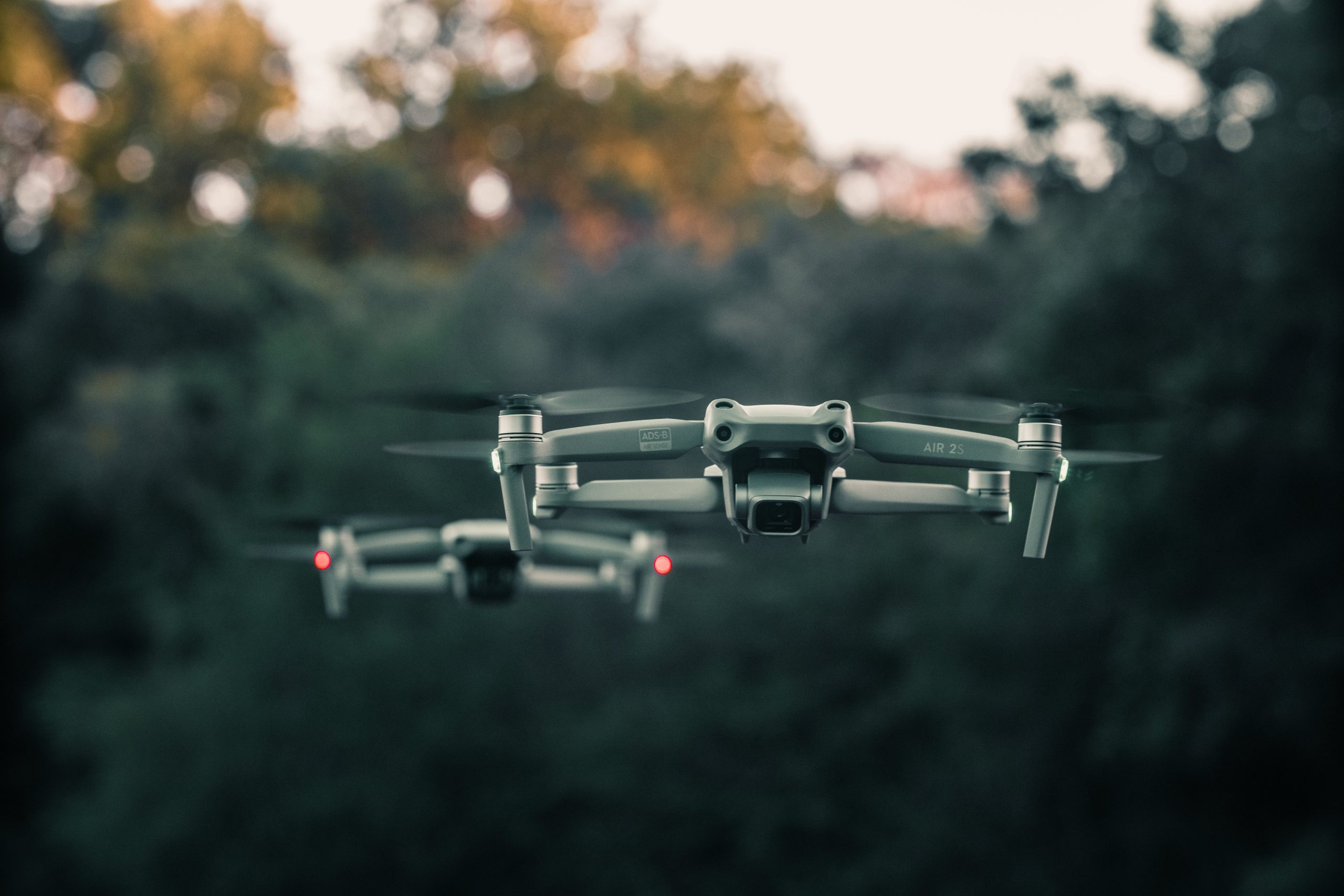
The Role of Drones in Transport and Inventory Management

The integration of cutting-edge technology in the logistics and supply chain industry has given rise to innovative solutions designed to enhance efficiency, reduce operational costs, and improve overall productivity. One of the most prominent technological advancements in recent years is the use of drones in warehouse management. These versatile, unmanned aerial vehicles are changing the way companies manage their inventory and transport goods within the warehouse. In this article, we explore the various applications of drones in warehouse operations and how they are transforming the traditional transport and inventory management processes.

Aerial Inventory Management

Traditionally, warehouse workers had to manually count and track inventory, a time-consuming and often error-prone process. Drones have revolutionized this aspect of warehouse operations by providing a faster, more accurate way to manage inventory. Equipped with high-resolution cameras and sensors, drones can quickly scan and identify products, monitor their quantities, and track their locations within the warehouse.

These drones can operate autonomously, capturing real-time data and providing an accurate inventory count, which significantly reduces the risk of human error. The data collected is instantly updated in the warehouse management system, ensuring that stock levels are always up-to-date. This not only minimizes inventory discrepancies but also allows businesses to make more informed decisions regarding restocking and order fulfillment.

Efficient Goods Transport

Another critical aspect of warehouse operations is the efficient movement of goods from one location to another. Drones have emerged as a game-changing solution for intra-warehouse transport. By equipping drones with cargo-carrying capabilities, businesses can streamline the movement of items, reduce manual labor, and enhance overall efficiency.

Drones can navigate through narrow aisles and deliver products to specific locations with pinpoint accuracy. This is particularly beneficial for large warehouses with extensive storage facilities, as it helps reduce the time and effort required to move goods from one place to another. Additionally, drone transport can be deployed 24/7, further improving warehouse productivity.

Enhanced Data Analytics

Enhanced Data Analytics in warehouse operations, thanks to the integration of drones, is proving to be a game-changer for businesses seeking to fine-tune their processes and increase productivity. Here’s a closer look at how these advanced analytics can reshape the way warehouses operate:

Operational Trends: Drones, equipped with high-resolution cameras and sensors, provide a comprehensive view of the warehouse’s daily operations. This data can be analyzed to identify operational trends and patterns. For instance, it can reveal peak hours of activity, helping businesses allocate staff and resources more efficiently. By recognizing trends, warehouses can adjust their schedules and workflows to optimize operations.

Product Placement Strategies: The data collected by drones can shed light on the most efficient product placement strategies within the warehouse. By tracking the movement of products and identifying which areas are frequently accessed, businesses can make data-driven decisions about where to store specific items. 

Product Placement Strategies: The data collected by drones can shed light on the most efficient product placement strategies within the warehouse. By tracking the movement of products and identifying which areas are frequently accessed, businesses can make data-driven decisions about where to store specific items. This strategic placement not only streamlines the picking process but also minimizes travel time, reducing operational costs.

Inventory Flow Optimization: Drones offer real-time visibility into inventory levels and the movement of goods within the warehouse. With this information, warehouses can fine-tune their inventory management strategies. For instance, items that are frequently ordered together can be stored in proximity to each other to facilitate quicker order fulfillment. This optimization can reduce the time it takes to prepare orders and enhance customer satisfaction.

Predictive Models: The integration of artificial intelligence (AI) and machine learning (ML) into drone technology takes data analytics to the next level. Drones can learn from historical data and create predictive models that anticipate inventory needs and order patterns. This foresight enables warehouses to maintain optimal stock levels, reducing overstock and stockouts. Predictive analytics also aid in demand forecasting, allowing businesses to plan their inventory more effectively.

Enhanced Order Fulfillment: Drones not only collect data but can also actively contribute to the order fulfillment process. By leveraging AI and ML, drones can suggest the most efficient picking routes for warehouse workers, reducing unnecessary steps and speeding up order processing. This smart collaboration between drones and human workers can significantly enhance order fulfillment accuracy and efficiency.


Cost Reduction: Data-driven decision-making, made possible by enhanced analytics, results in cost reductions. By optimizing inventory flow, improving product placement strategies, and minimizing inefficiencies, warehouses can lower their operational expenses. This, in turn, enhances the overall profitability of the business.

The application of drones in warehouse operations extends beyond the physical tasks they perform. Their data collection capabilities, when combined with artificial intelligence and machine learning, offer warehouses a wealth of insights that can be used to make informed decisions, enhance efficiency, and reduce operational costs. This data-driven approach represents a significant stride towards achieving greater supply chain efficiency in the increasingly competitive world of logistics and e-commerce.

Drones are revolutionizing warehouse operations by enhancing inventory management, streamlining goods transport, improving safety, and providing valuable data for informed decision-making. As technology continues to advance, we can expect even more innovative applications of drones in the warehouse, further increasing efficiency and reducing operational costs. Embracing drone technology in warehouse management is a smart move for businesses looking to stay competitive in an increasingly automated and data-driven world.

Author